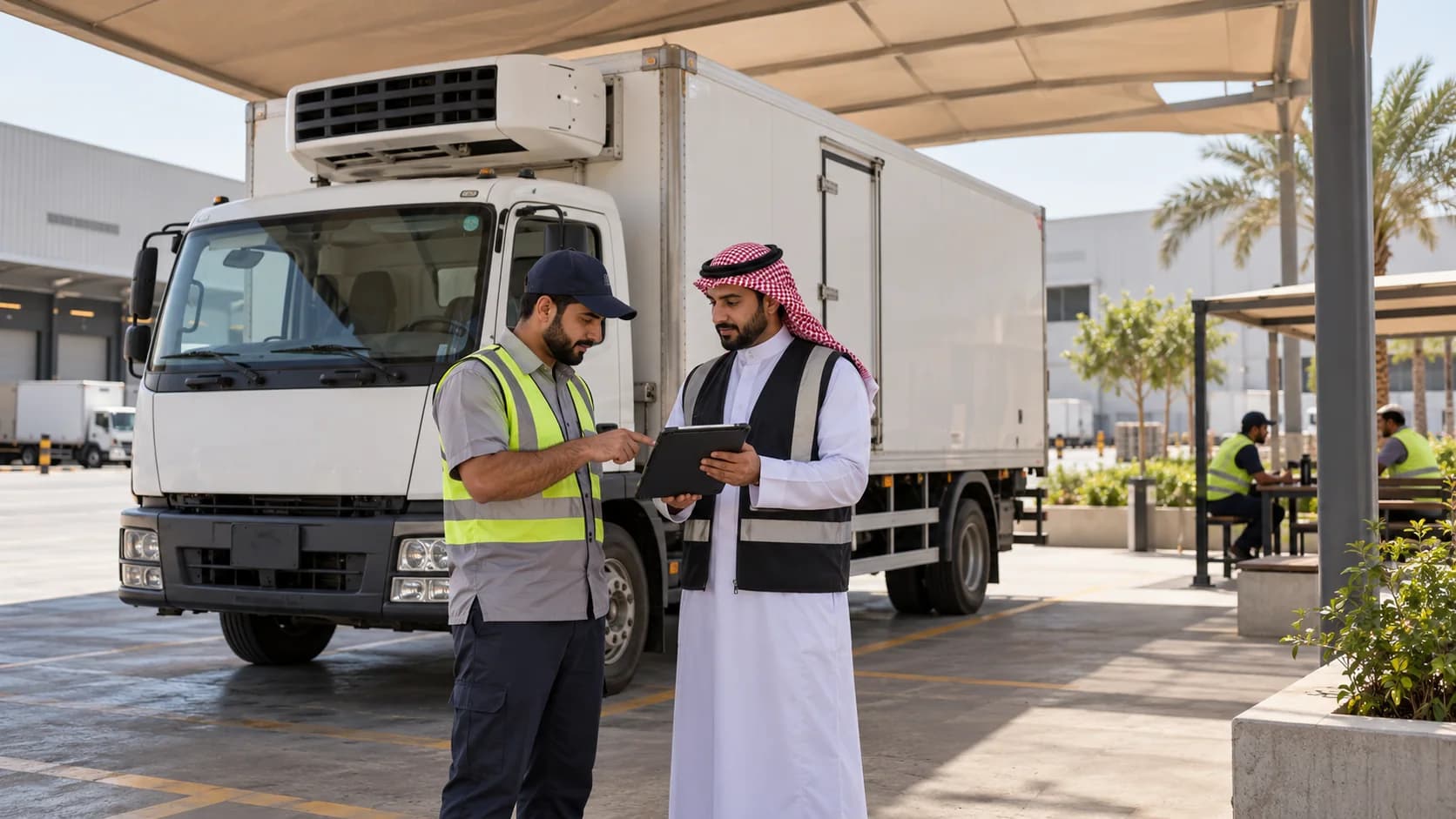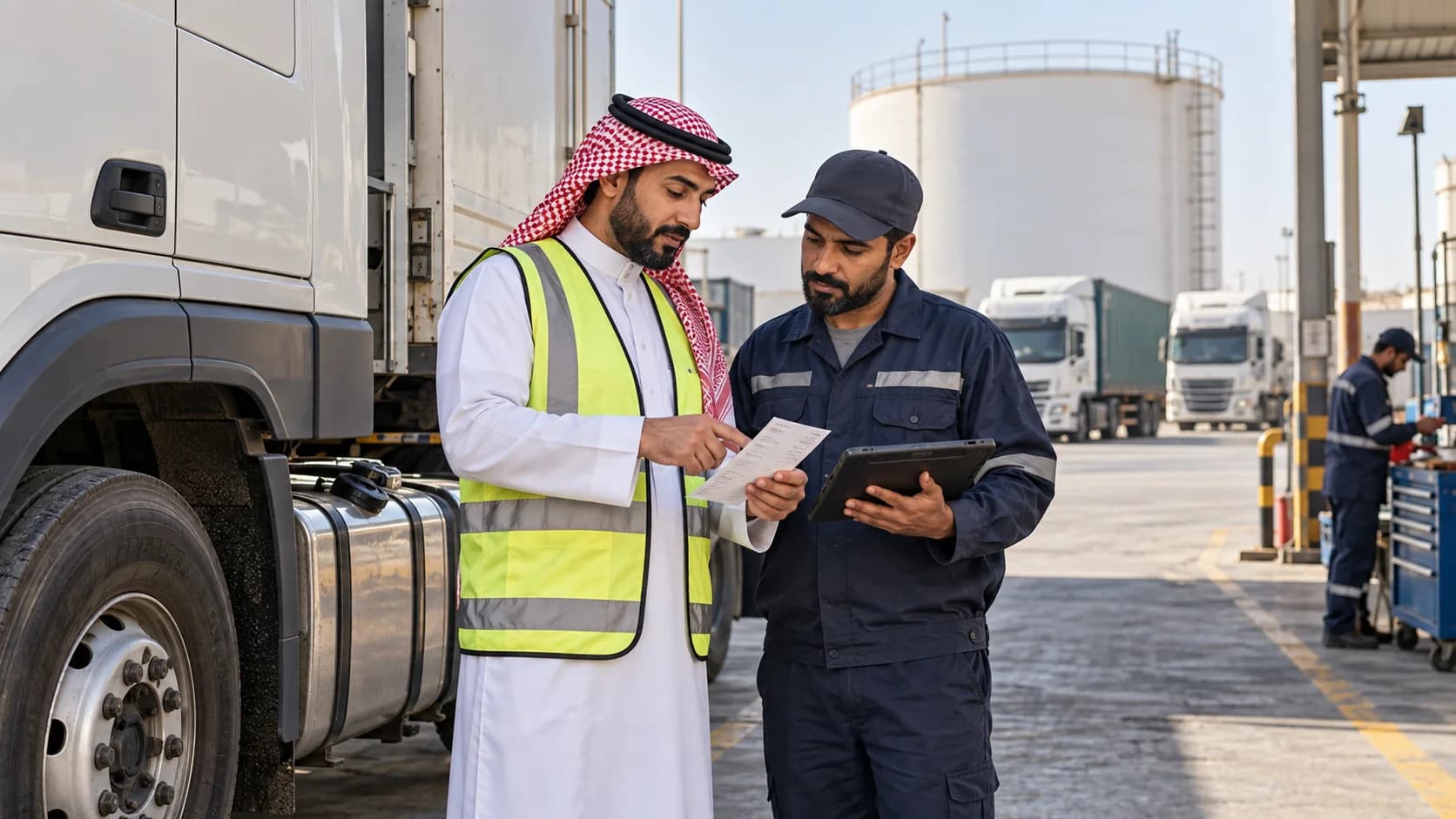
A fuel receipt and a tank-level chart disagree. It is tempting to treat the gap as proof of theft, especially when fuel spending is already under scrutiny. Yet a discrepancy is a question to investigate. Recording errors, measurement conditions and ordinary operating use can produce a difference that looks suspicious until the records are aligned.
Start with one vehicle and a defined period. Gather the transactions, opening and closing tank readings, distance, engine hours and relevant assignments. Identify who will reconcile them. Preserve the original evidence and avoid changing a number merely to make the totals balance. The purpose is to explain the difference, not select the explanation first.
Check the records and the measurement
Confirm the vehicle and transaction identifiers, timestamps, litres and amounts. Check whether the receipt belongs to another vehicle, appears twice or was posted later than the actual purchase. Distinguish quantity from money: a price or tax-treatment change can alter spending without changing fuel volume. Mark missing receipts instead of assuming they represent either zero fuel or wrongdoing.
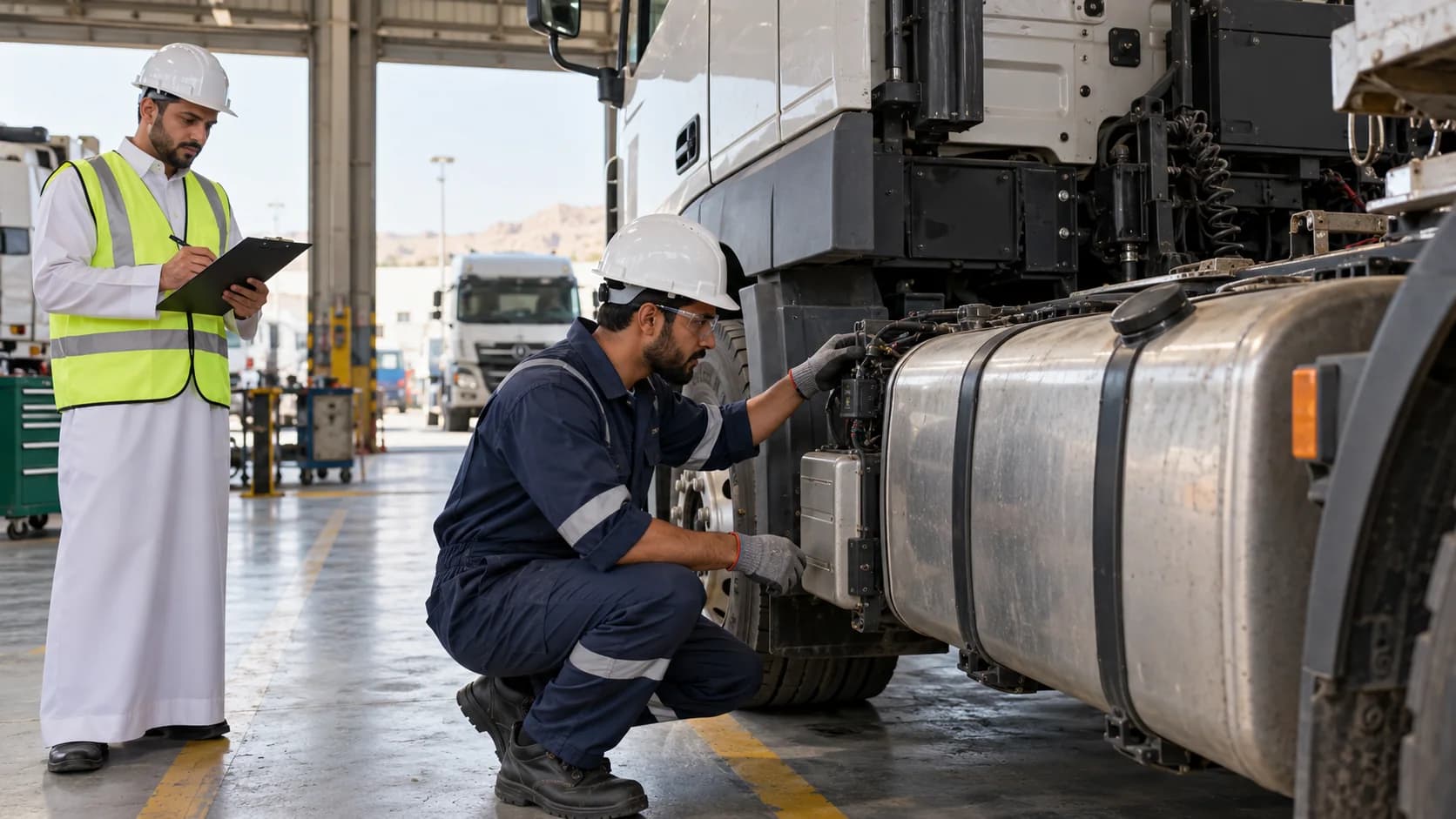
Review the measuring system. Tank geometry, sensor calibration, parking slope, fuel movement and data gaps can affect readings. Ask the device supplier or technician how readings should be interpreted and which conditions make them unreliable. Use comparable settled readings where the equipment guidance supports them. A sharp chart movement is not automatically a measured removal from the tank.
Reconcile fuel against actual use
A useful volume reconciliation is opening fuel plus recorded additions, minus closing fuel, compared with expected use over the same period. Expected use needs a credible basis from that vehicle’s activity, not a generic number copied from another fleet. Keep units and timestamps consistent, and label estimates. The calculation should show what is known and how much remains uncertain.
For an illustrative example, a verified opening level of 80 litres, additions of 200 litres and closing level of 50 litres imply 230 litres used during the period. That arithmetic does not establish whether use was reasonable. You still need distance, idling and equipment context. If one tank reading is unreliable, the calculated consumption is also uncertain.
Investigate the unexplained difference
Check route, payload, traffic, engine hours, air-conditioning demand and auxiliary equipment. A refrigeration unit or PTO operation can consume fuel without adding kilometres. Compare similar work over several periods and investigate changes in conditions. For Saudi operations, separating necessary cooling from avoidable idle time is more useful than assuming every stationary engine minute is waste.
If a material gap remains, review its timing and location with the responsible team. Look for approved transfers, workshop work, maintenance issues and missing records. Ask the driver for context privately and document the response. Escalate evidence of unauthorized activity through the established process; a software alert should not replace fair investigation or become an accusation circulated in a group chat.
Close the case and improve the control
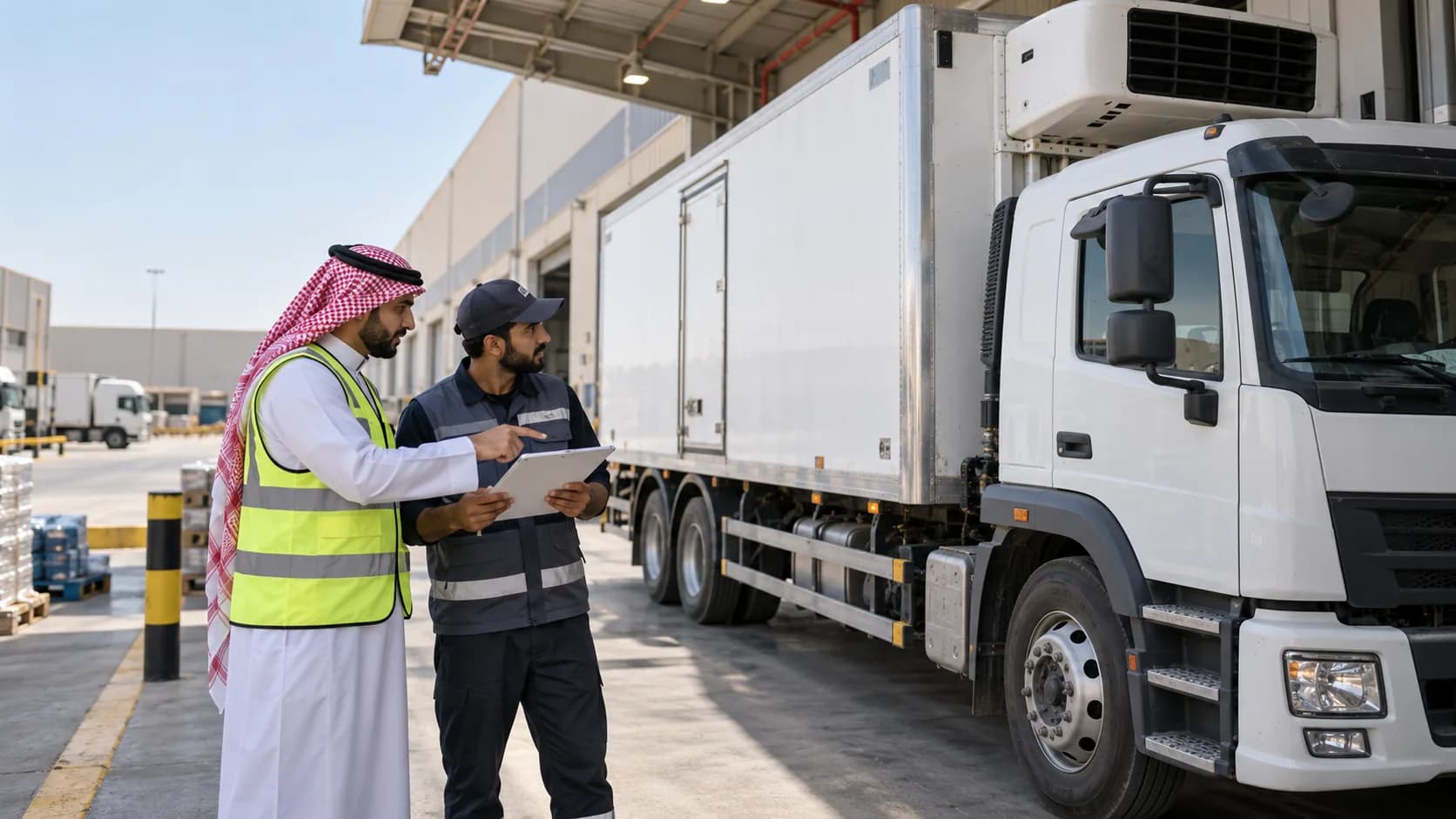
State the conclusion clearly: explained by records, explained by operating conditions, requiring a technical check, substantiated unauthorized activity, or unresolved. Record the supporting evidence and next action. An unresolved discrepancy should stay unresolved rather than being labelled theft to close a report. Financial adjustments and disciplinary decisions need their respective authorized review.
Use findings to improve controls. Correct vehicle mapping, standardize receipt capture, schedule sensor checks or clarify transfer authorization. Measure whether the same type of unexplained gap recurs after the change. A control that prevents duplicate transactions may save investigation time even when no physical fuel loss was involved. Keep that result separate from claims of recovered fuel.
When discussing fuel reconciliation in AlphaFleet, ask how transactions, readings and vehicle activity can be examined together for your hardware and workflows. Bring a sample with a known explanation and another with missing data. The useful outcome is a traceable, fair conclusion about the evidence, not a dramatic loss figure that the records cannot support.