Loading
Engine hours
Measure work that kilometres cannot show.
Running hours for service and asset planning.
For compatible equipment, put measured operating hours beside the asset, site and service history. Use the same record when reviewing utilisation or hire charges.

A generator may work hard without moving once.
The hours
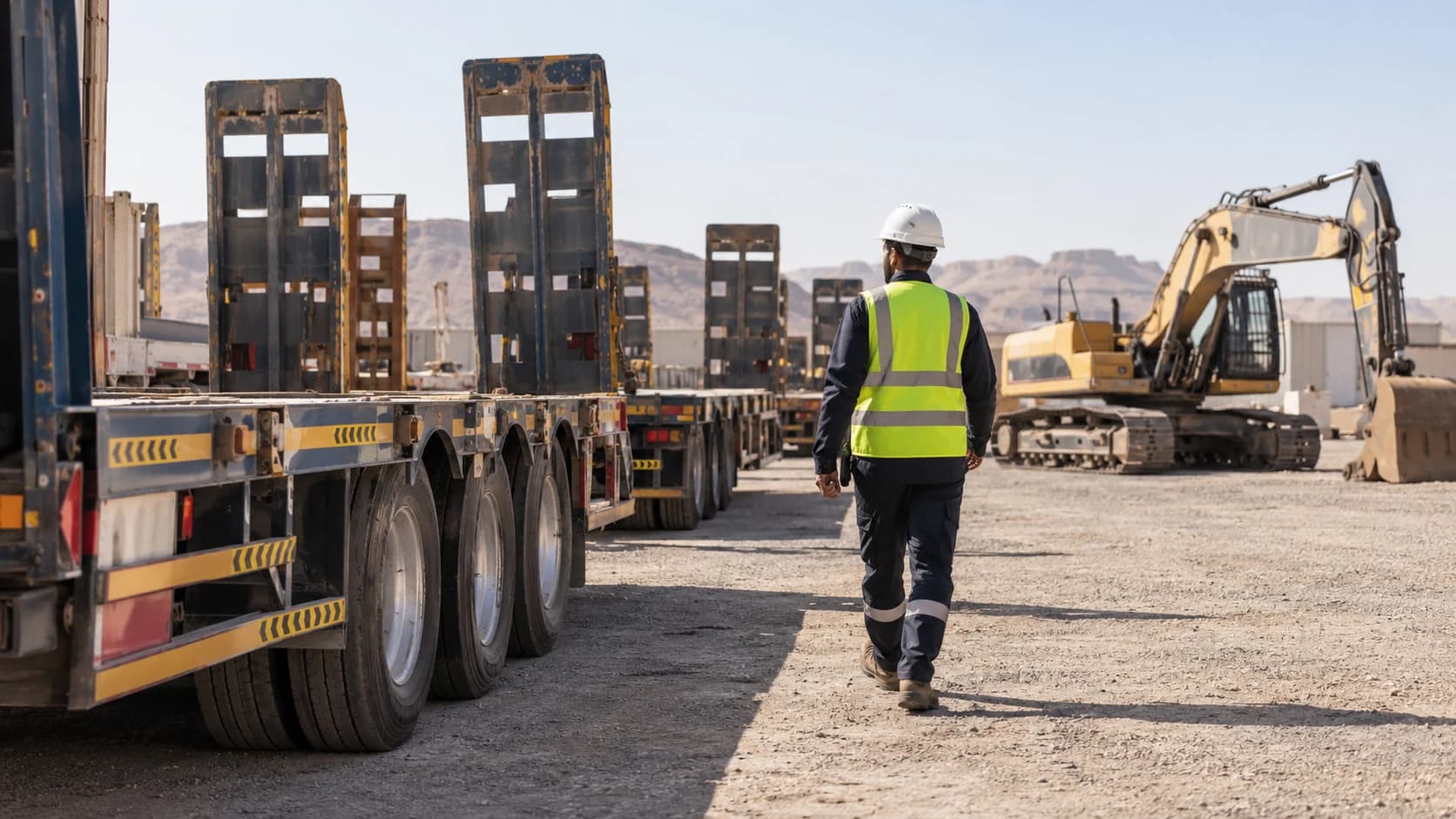
Read running time from compatible equipment.
Use the machine's own data to track running hours instead of relying on estimates or handwritten records.
- Track running hours continuously.
- Separate actual running time from simply being powered on.
- View hours by asset, site and time period.
Servicing
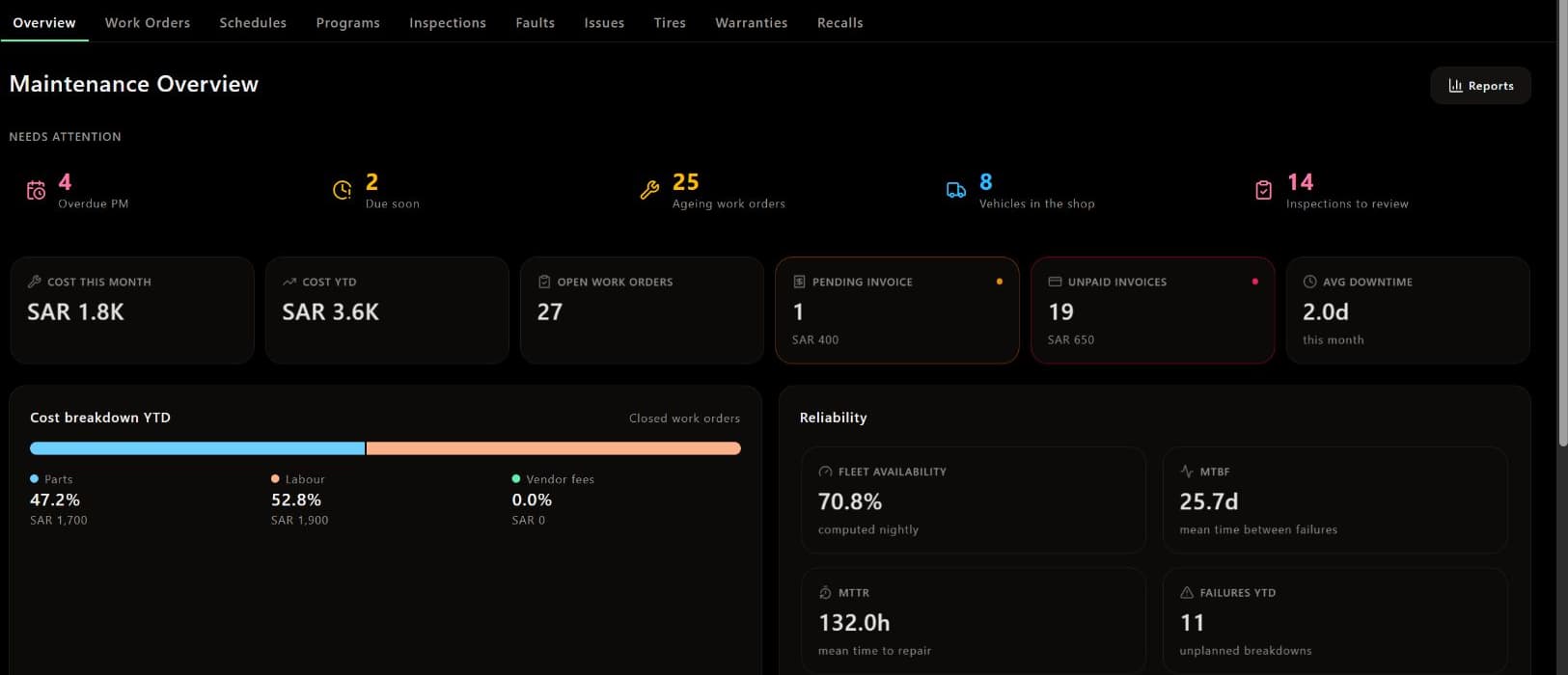
Service according to actual use.
Set services based on engine hours, distance or time. The system can show which comes first, helping you avoid servicing too early or too late.
- Use hours, distance and dates together.
- See due and overdue services by workshop.
- View the machine's usage when each service was due.
Billing
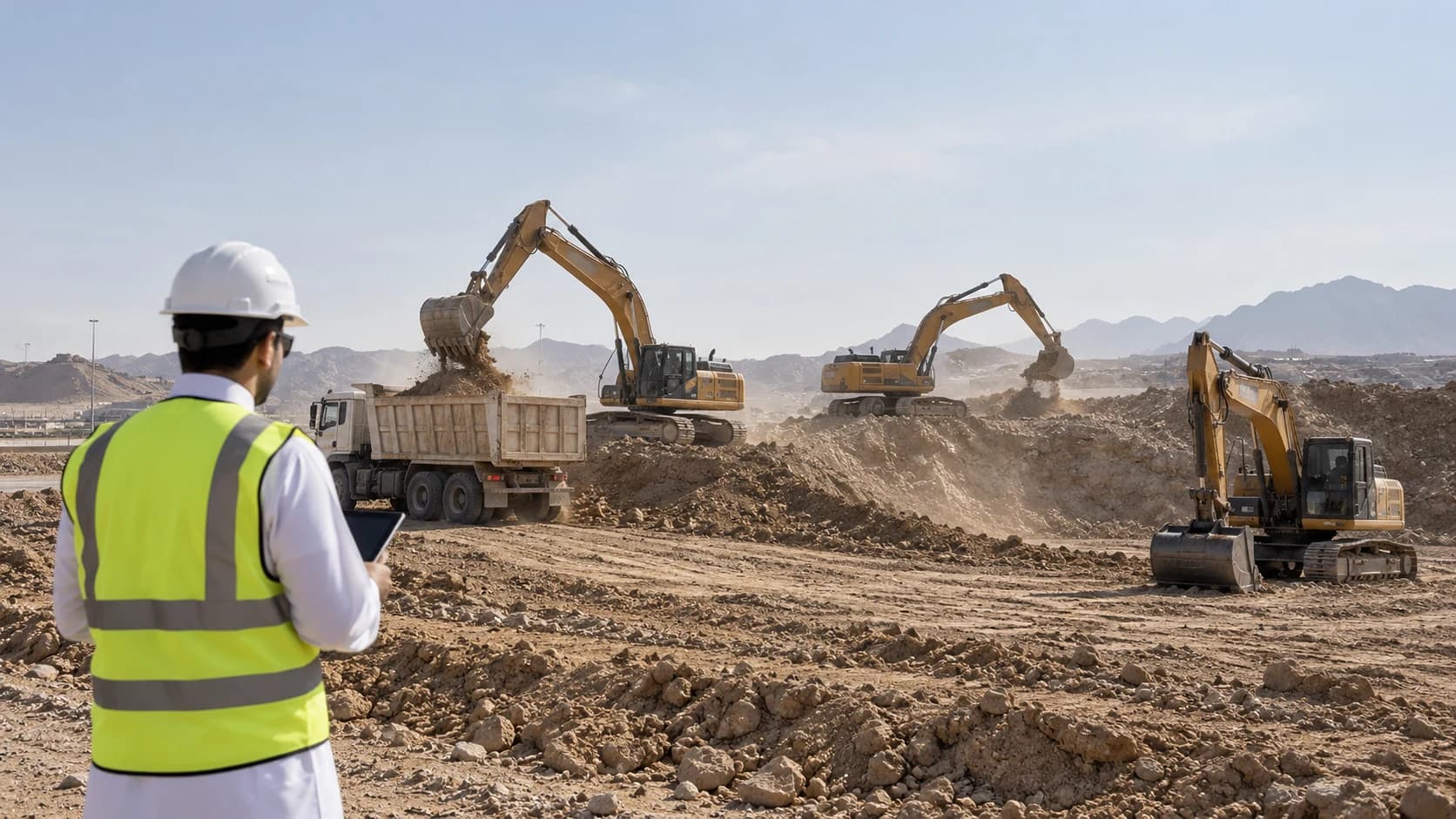
Keep billing and service hours aligned.
For equipment hire businesses, the number of hours matters. Taking that number directly from the machine means billing and maintenance are based on the same information.
- Use machine hours for customer billing.
- Use the same hours for service planning.
- See totals by contract and site.
Related capabilities
Engine hours
Real running hours, which is what servicing and plant billing should follow.
Utilisation
What is working, what is parked, and what should be moved to a busier site.
Service schedules
By distance, by engine hours or by date — whichever comes first.
Idling
Engine running, vehicle not moving — separated from productive idling in the heat.
Trailers and plant
Unpowered assets tracked on their own, and paired when they are towed.
Work orders
What was done to a vehicle, by whom, at what cost.
Showing all 6 capabilities.
Related reading
- Guide
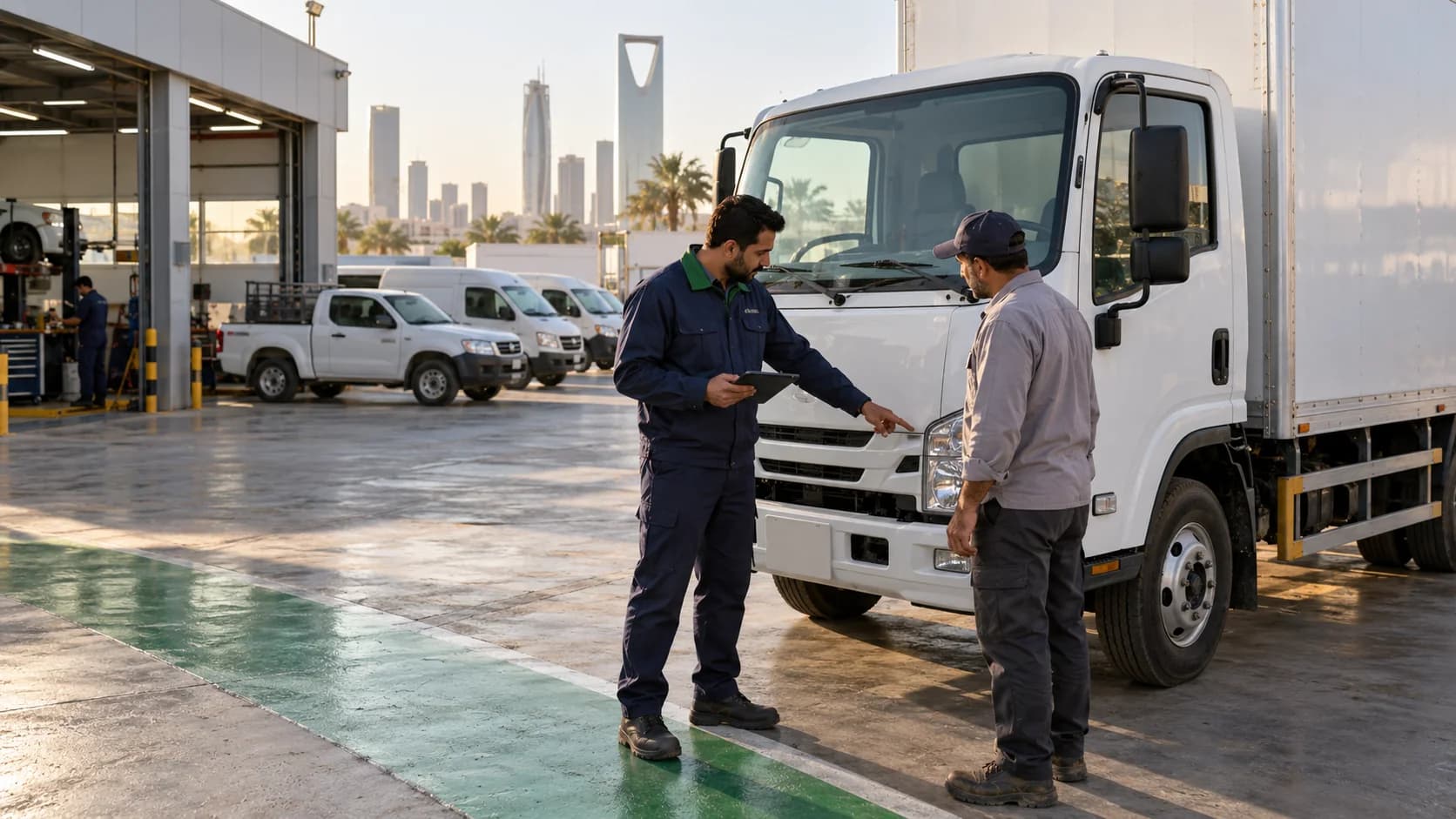
Fleet management in Saudi Arabia, made simple.
What a Saudi fleet needs to manage — regulations, paperwork, fuel, and people — and where a system can help.
Guide - Guide

Wasl, made simple.
What Wasl registration is, who needs it, what the Transport General Authority requires, and what it means for fleet operators day to day.
Guide - Calculator

Estimate what your fleet could save.
Start with an illustrative 10-vehicle example. Replace the fuel, repair and repeat-work inputs with your own to explore operating savings and hours returned.
Calculator
Frequently asked questions
A fleet protected, visible, compliant, and profitable.
Tell us what you run and where, and we will show you the platform against your own operation rather than a demo fleet.